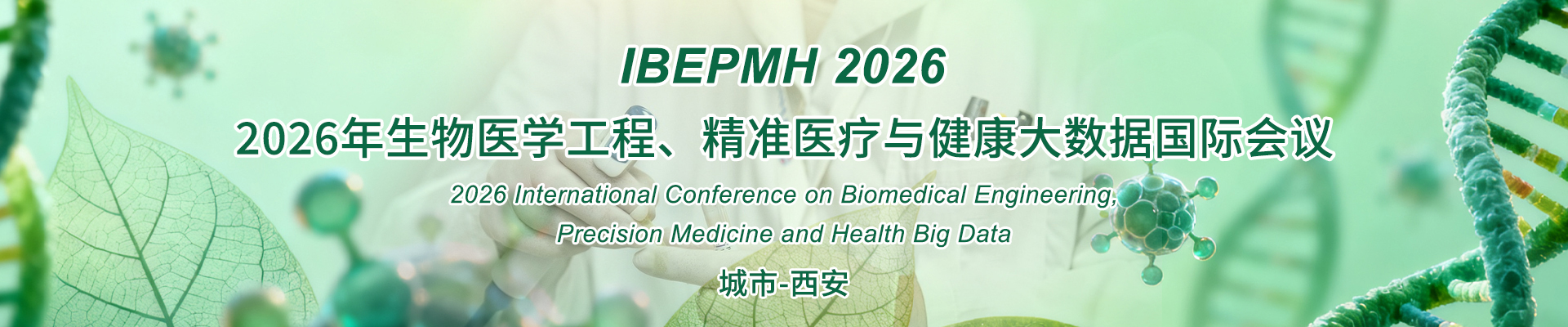
Scopes
(Including but not limited to the following topics)
Track 1: Biomedical Engineering
Intelligent biomedical sensing and wearable device technologies
New methods for intelligent analysis and computation of medical images
Innovative applications of neural engineering and brain-computer interfaces
Frontiers in bioprinting and tissue engineering
Surgical robots and intelligent auxiliary diagnosis systems
Biomechanics and rehabilitation engineering technologies
New biomaterials and drug delivery systems
Research and development of implantable and degradable medical devices
Mobile health and remote medical technologies
Microfluidic chips and single-cell analysis technologies
Bionics and bionic medical device design
Innovative design and reliability assessment of medical instruments
3D bioprinting and organ-on-a-chip technologies
Engineering strategies for stem cells and regenerative medicine
Drug-controlled release systems and targeted delivery carriers
Interaction between biomaterials and the immune system
Robot systems and navigation technologies for precise surgeries
High-precision medical instrument design and control
Nanomedicine and nanodiagnostic technologies
Track 2: Precision Medicine
Integration of multi-omics and molecular classification of diseases
Precision diagnosis and treatment of tumors and study of drug resistance mechanisms
Pharmacogenomics and individualized medication
Precision diagnosis of rare diseases and genetic disorders
Individualized risk prediction and early intervention for chronic diseases
Individualized health management based on the microbiome
Development of companion diagnostics and biomarkers
Precision radiotherapy and navigation for minimally invasive treatment
Patient-derived organoids and disease models
Development of clinical decision support systems
Ethics and health economics of precision medicine
Population cohort studies and precise prevention strategies
Nutrition genomics and personalized nutrition intervention
Precision public health and population health strategies
Track 3: Health Big Data
Multi-modal health data fusion and governance
Medical natural language processing and electronic medical record mining
Genome data management and analysis platforms
Medical image databases and intelligent retrieval
Health knowledge graphs and clinical reasoning
Disease prediction models and risk stratification
Real-world research and evidence generation
Health data privacy computing and federated learning
Health monitoring and behavior pattern analysis of mobile health data
Public health monitoring and early warning platforms
AI-driven new drug development and clinical trials
Standardization and interoperability of health big data
Medical image AI analysis and auxiliary diagnosis
Disease prediction and prognosis models based on deep learning
Analysis and data analysis of continuous dynamic health monitoring in mobile health, Internet of Things, and IoT
Privacy, security, and ethical framework of health big data
Data visualization and interactive technologies for patient empowerment
Application of large language models in health consultation and medical education
Track 1: Biomedical Engineering
Intelligent biomedical sensing and wearable device technologies
New methods for intelligent analysis and computation of medical images
Innovative applications of neural engineering and brain-computer interfaces
Frontiers in bioprinting and tissue engineering
Surgical robots and intelligent auxiliary diagnosis systems
Biomechanics and rehabilitation engineering technologies
New biomaterials and drug delivery systems
Research and development of implantable and degradable medical devices
Mobile health and remote medical technologies
Microfluidic chips and single-cell analysis technologies
Bionics and bionic medical device design
Innovative design and reliability assessment of medical instruments
3D bioprinting and organ-on-a-chip technologies
Engineering strategies for stem cells and regenerative medicine
Drug-controlled release systems and targeted delivery carriers
Interaction between biomaterials and the immune system
Robot systems and navigation technologies for precise surgeries
High-precision medical instrument design and control
Nanomedicine and nanodiagnostic technologies
Track 2: Precision Medicine
Integration of multi-omics and molecular classification of diseases
Precision diagnosis and treatment of tumors and study of drug resistance mechanisms
Pharmacogenomics and individualized medication
Precision diagnosis of rare diseases and genetic disorders
Individualized risk prediction and early intervention for chronic diseases
Individualized health management based on the microbiome
Development of companion diagnostics and biomarkers
Precision radiotherapy and navigation for minimally invasive treatment
Patient-derived organoids and disease models
Development of clinical decision support systems
Ethics and health economics of precision medicine
Population cohort studies and precise prevention strategies
Nutrition genomics and personalized nutrition intervention
Precision public health and population health strategies
Track 3: Health Big Data
Multi-modal health data fusion and governance
Medical natural language processing and electronic medical record mining
Genome data management and analysis platforms
Medical image databases and intelligent retrieval
Health knowledge graphs and clinical reasoning
Disease prediction models and risk stratification
Real-world research and evidence generation
Health data privacy computing and federated learning
Health monitoring and behavior pattern analysis of mobile health data
Public health monitoring and early warning platforms
AI-driven new drug development and clinical trials
Standardization and interoperability of health big data
Medical image AI analysis and auxiliary diagnosis
Disease prediction and prognosis models based on deep learning
Analysis and data analysis of continuous dynamic health monitoring in mobile health, Internet of Things, and IoT
Privacy, security, and ethical framework of health big data
Data visualization and interactive technologies for patient empowerment
Application of large language models in health consultation and medical education
Important Dates/重要日期
- Submission Deadline: 2026.10.14
- Registration Deadline: 2026.10.21
- Conference Date: 2026.10.29
- Notification Date: About a week after the submission
Submission Portal/投稿方式
Mail Address: icagdta_conf@163.com
If you have any question or need any assistance regarding the conference, please feel free to contact our conference specialists:
徐老师
 +86-15680829715(微信同号)
 1347638002

--
- +86---(微信同号)
- --